Our Product Portfolio
Standardized biomass products engineered for high heat efficiency and minimal environmental footprint.
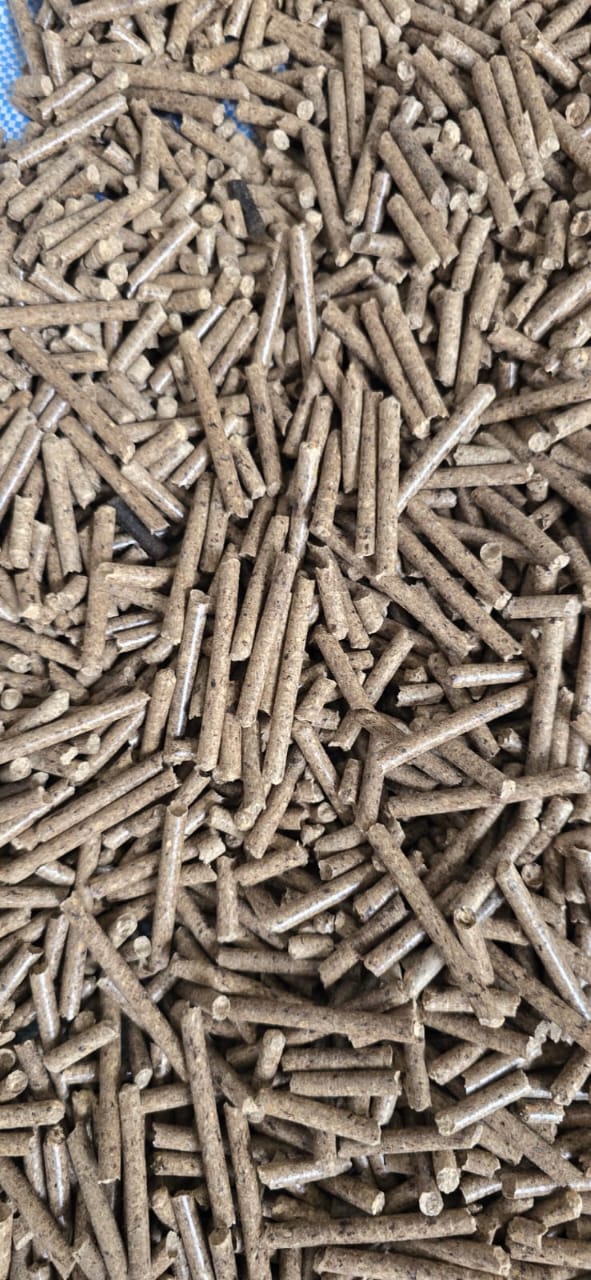
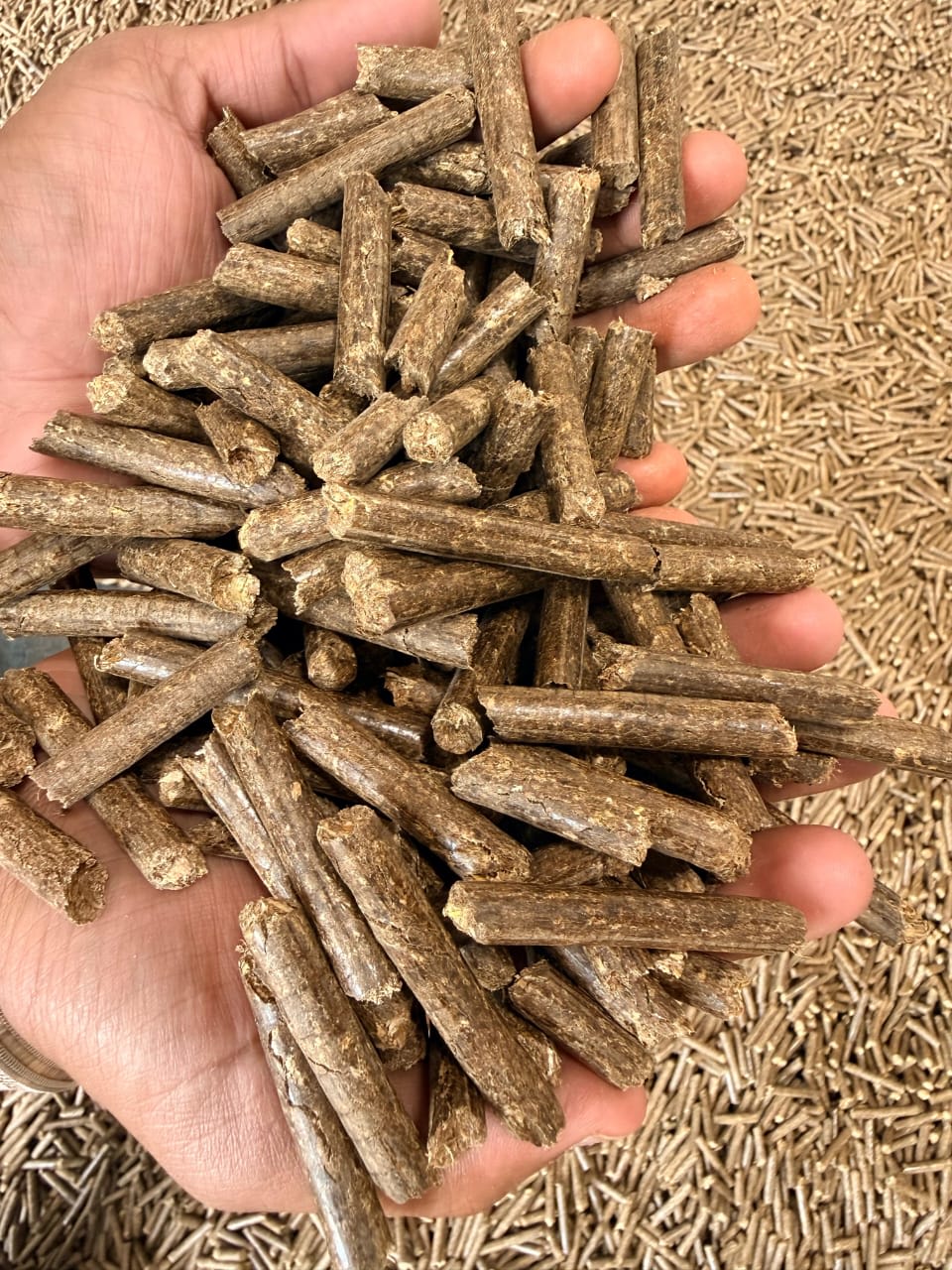
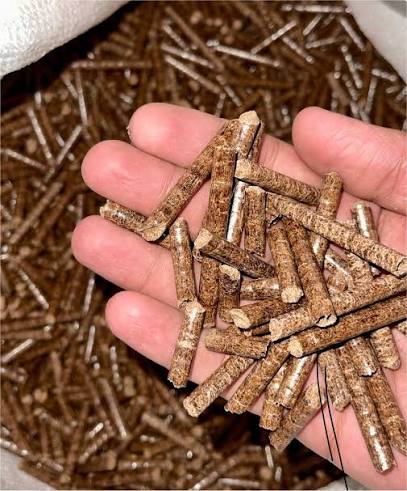
Biomass Pellets
Biomass pellets are a type of renewable solid fuel made from organic materials such as agricultural residues, wood waste, sawdust, rice husk, sugarcane bagasse, and other plant-based materials. These materials are dried, ground, and compressed into small cylindrical pellets without or with minimal binding agents. Biomass pellets are widely used for heating, cooking, industrial boilers, and power generation as an alternative to coal and other fossil fuels. They offer several advantages, including easy storage and transportation, high energy density, efficient combustion, and reduced dependence on conventional fuels. They also help utilize agricultural waste, reduce open-field residue burning, and support sustainable energy production. However, their efficiency and environmental impact depend on the raw materials used, moisture content, production process, and combustion technology.
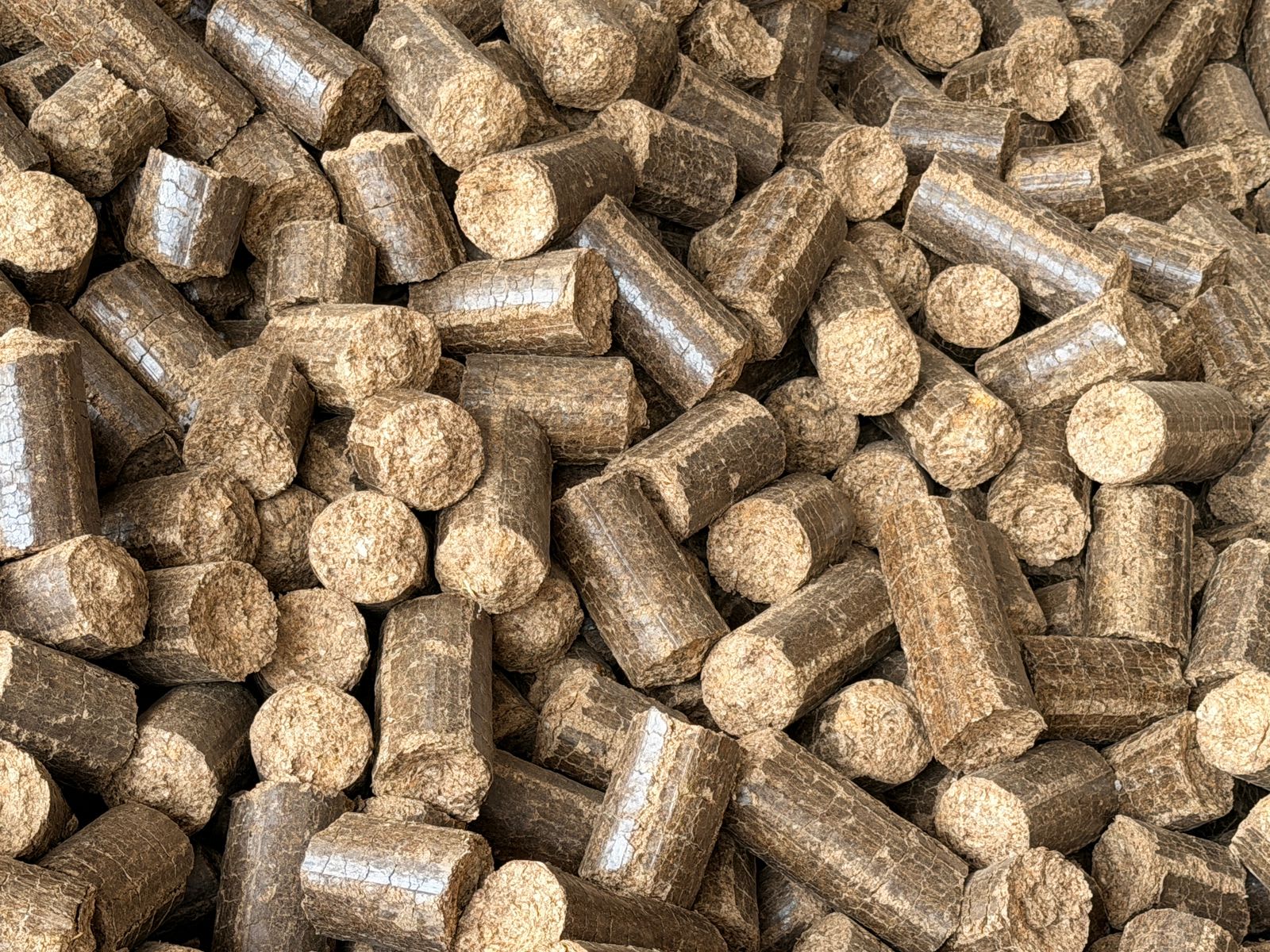
Biomass Briquettes
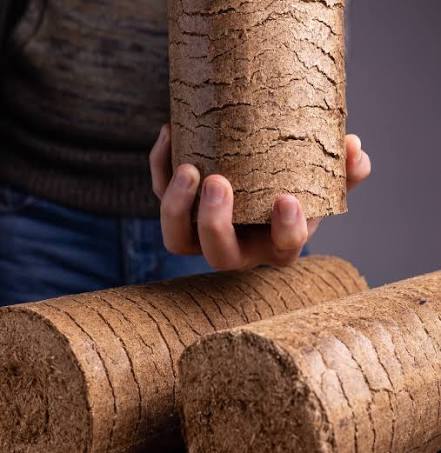
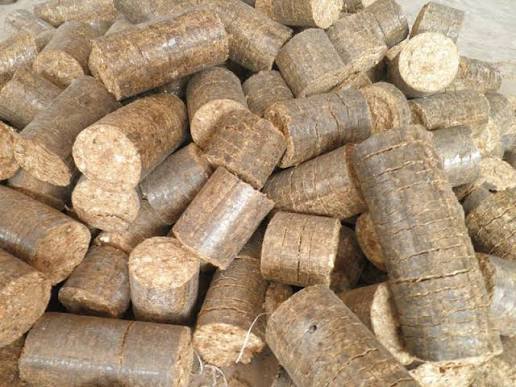
Biomass briquettes are eco-friendly solid fuels produced by compressing agricultural residues and other organic waste materials, such as rice husk, sawdust, groundnut shells, sugarcane bagasse, cotton stalks, and other crop residues, into compact blocks or cylindrical shapes. They are used as an alternative to coal, firewood, and other conventional fuels in industrial boilers, furnaces, brick kilns, and heating applications. Biomass briquettes offer several benefits, including efficient fuel utilization, easy handling and storage, reduced waste disposal problems, and lower dependence on fossil fuels. They also help reduce open burning of agricultural residues and promote renewable energy production. Their quality and combustion efficiency depend on the raw materials, moisture content, density, and manufacturing process. Biomass briquettes support sustainable energy development by converting agricultural and forestry waste into a useful and cost-effective source of energy.
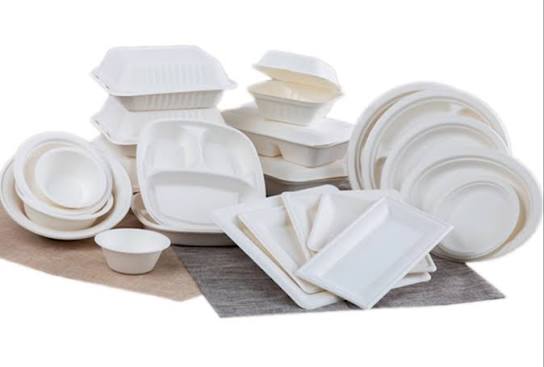
Biodegradable Tableware
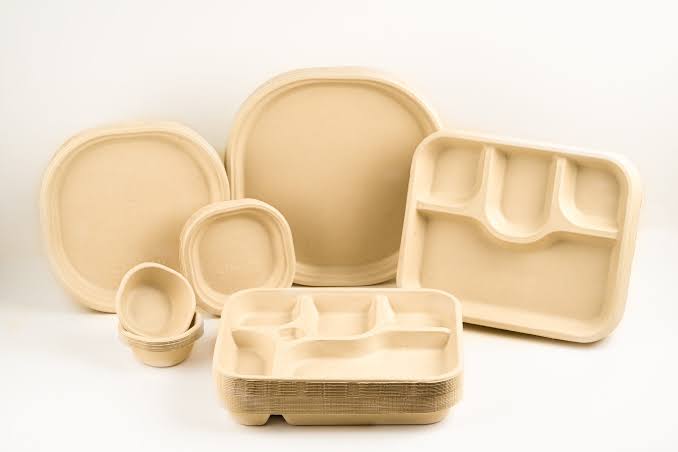
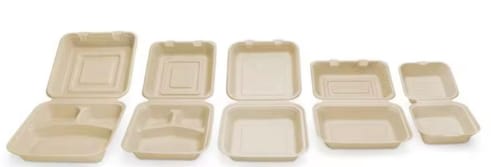
Biodegradable tableware refers to eco-friendly disposable products such as plates, bowls, cups, trays, spoons, and forks made from natural materials that can break down through biological processes under suitable environmental conditions. These products are commonly manufactured using agricultural waste and plant-based materials such as sugarcane bagasse, bamboo, areca palm leaves, cornstarch, and other biodegradable fibers. Biodegradable tableware serves as an alternative to conventional plastic and thermocol products, helping reduce plastic pollution and the accumulation of non-biodegradable waste. It is widely used in restaurants, hotels, catering services, food packaging, and public events. Its major advantages include the utilization of renewable resources, reduced dependence on petroleum-based plastics, and the potential to lower environmental impact when properly disposed of. However, the rate of decomposition depends on the material composition and disposal conditions, and some products require industrial composting facilities. Biodegradable tableware promotes sustainable consumption and supports the development of environmentally responsible alternatives to single-use plastics.
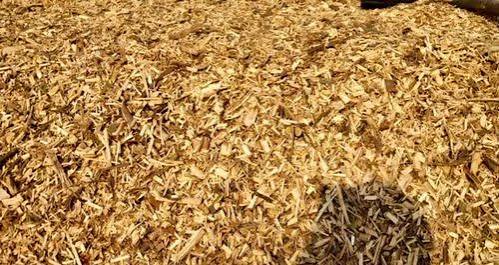
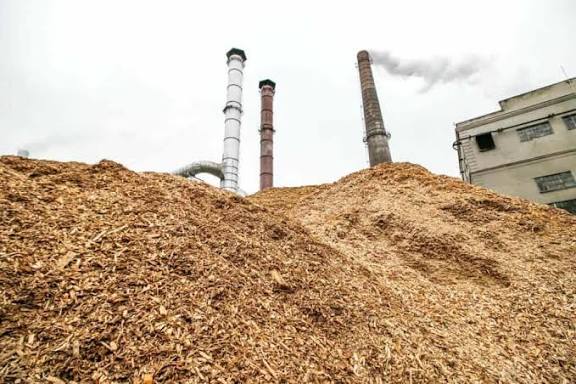
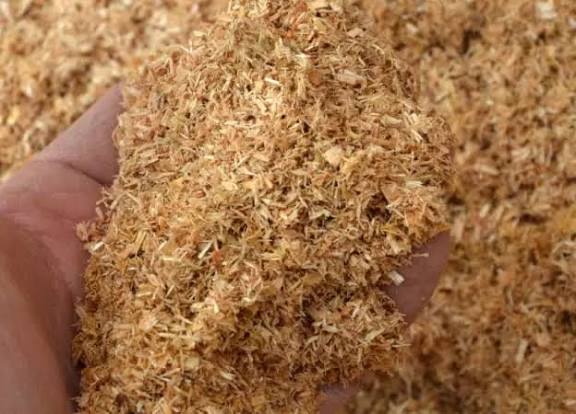
Loose Biomass
Loose biomass refers to organic materials of plant or animal origin that are available in their natural, unprocessed, or loosely collected form and can be used as a source of renewable energy. It includes agricultural residues such as wheat straw, rice straw, cotton stalks, sugarcane leaves, maize stalks, groundnut shells, and other organic waste materials. Loose biomass is commonly used for traditional cooking, heating, animal bedding, compost production, and as a raw material for manufacturing biomass briquettes and pellets. It is an easily available and cost-effective resource, particularly in agricultural regions, and helps convert farm waste into useful products. The utilization of loose biomass can reduce open-field burning, minimize waste disposal problems, and decrease dependence on fossil fuels. However, its low bulk density, high moisture content in some materials, and seasonal availability can increase transportation, storage, and handling costs. Proper collection, drying, and processing can improve its efficiency and support sustainable waste management and renewable energy production.
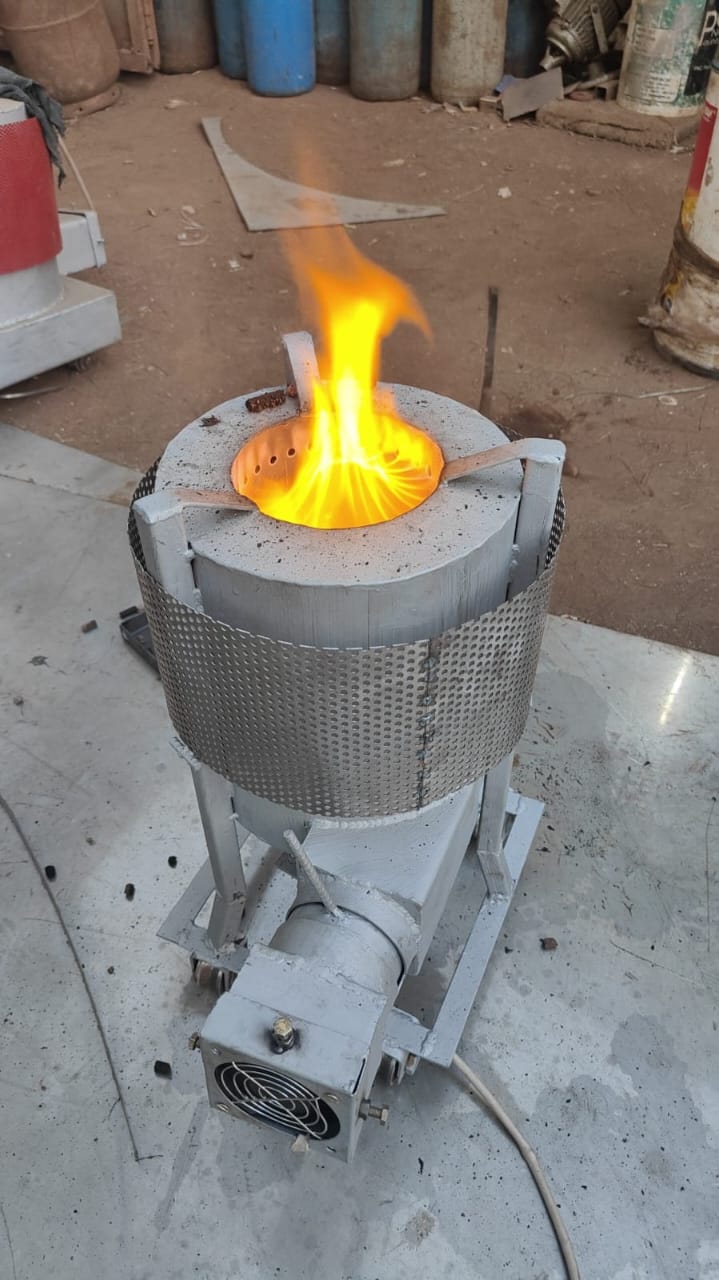
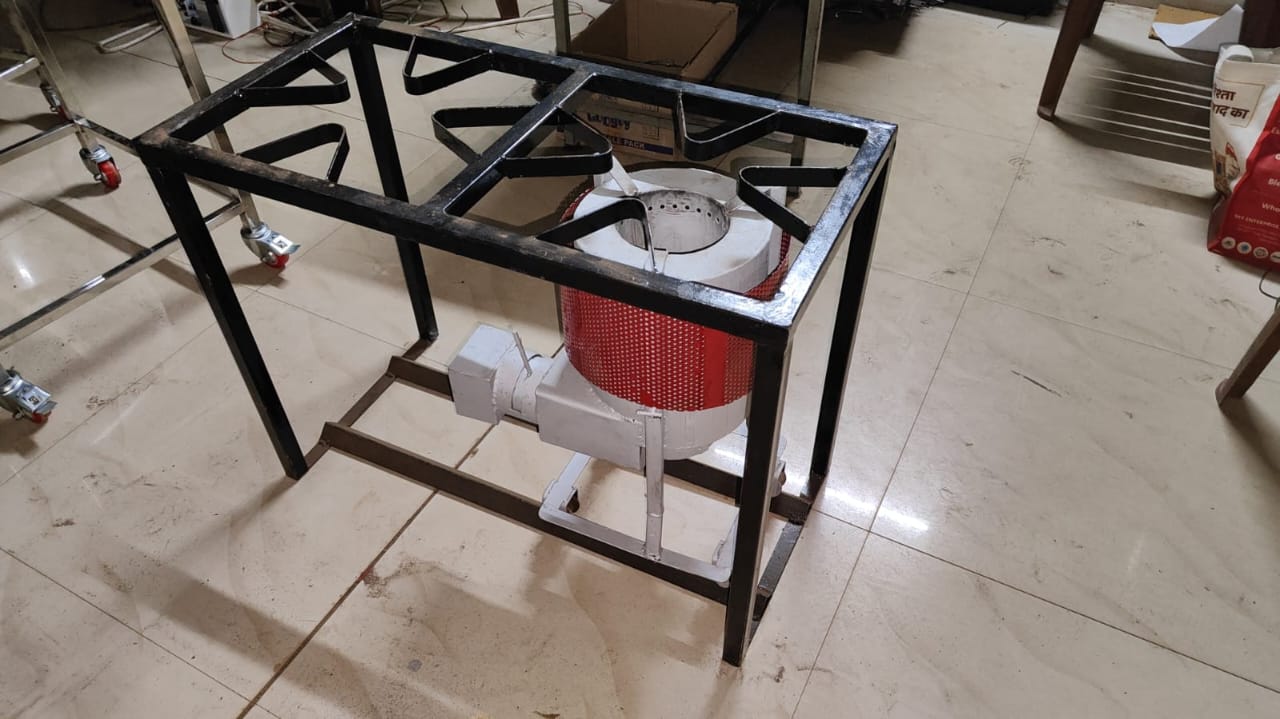
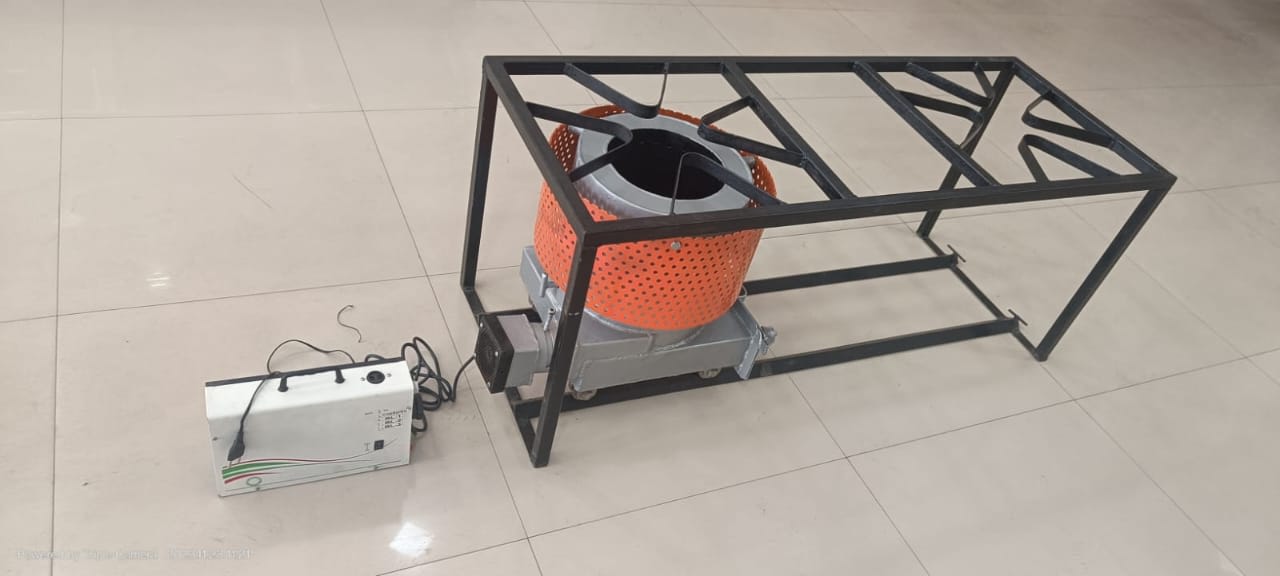
Biomass Briquette Cook Stove
A biomass briquette cook stove is an energy-efficient cooking device designed to burn biomass briquettes made from agricultural residues and other organic waste materials. These stoves use compressed fuels such as sawdust, rice husk, groundnut shells, sugarcane bagasse, and other crop residues as an alternative to firewood, coal, and conventional cooking fuels. Biomass briquette cook stoves are designed to provide controlled combustion, effective heat transfer, and convenient cooking for households, small food businesses, and community kitchens. Their major advantages include the utilization of renewable fuel, reduced dependence on traditional firewood, and the potential to lower fuel costs and agricultural waste accumulation. Depending on the stove design and fuel quality, they can also improve combustion efficiency and reduce smoke emissions compared with traditional cooking methods. However, proper ventilation, suitable briquette quality, and regular maintenance are essential for safe and effective operation. Biomass briquette cook stoves promote sustainable cooking practices by converting agricultural waste into a useful source of heat energy.